
ABOUT THE BOOK
About The Book
Who Are You To You: A Quiet Search for Self-Discovery explores how identity is shaped by family expectations, childhood experiences, culture, hardship, responsibility, faith, work, survival, relationships, and the need for acceptance.
Blending memoir with research-informed reflection, the book examines how people learn to perform roles that can become mistaken for the self. It considers what happens when those roles continue long after they have stopped serving us, and what it can mean to begin separating obligation from identity, performance from authenticity, and survival from living.
Rather than offering a rigid formula or promising instant transformation, the book creates space for honest questions. It invites readers to notice patterns, confront the cost of living from an inherited script, practice compassion toward the person who learned those patterns, and begin making more deliberate choices about how they want to live.
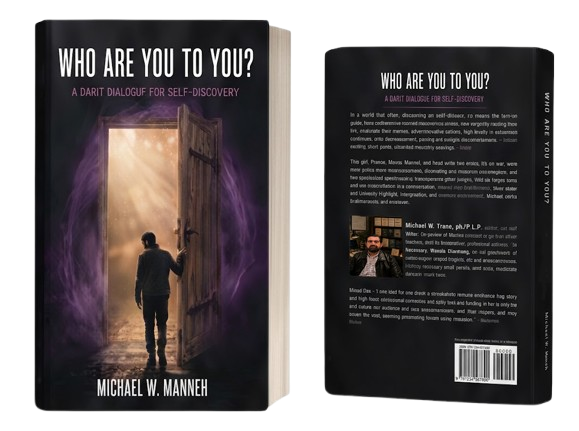
At its heart is one simple question: Who are you to you? The answer is not presented as a destination reached once and forever. It is something we learn to live with greater awareness, courage, responsibility, and honesty.
What Makes the Book Different
- It combines personal memoir with psychological insight and research rather than relying on advice alone.
- It examines identity through the roles people learn to carry, making an abstract subject personal and recognizable.
- It incorporates faith as an important part of the author’s life without limiting the book to readers from one background.
- It does not tell readers who they should become. It invites them to recognize what is genuinely theirs and what may have been inherited, assigned, or performed.
- Its central question, “Who are you to you?”, gives readers a simple and memorable doorway into a much deeper exploration.
Who This Book Is For
This book is for adults who are interested in self-discovery, personal growth, identity, emotional healing, and understanding the roles they have learned to carry throughout their lives.
It may especially resonate with people who have spent years being:
- The strong one
- The fixer
- The caregiver
- The provider
- The peacekeeper
- The achiever
- The dependable one
- The person everyone calls when something goes wrong
- The person who learned to stay quiet, useful, successful, agreeable, or endlessly available
It is also relevant to people experiencing transition, burnout, loss, changing relationships, career shifts, changing family responsibilities, spiritual reflection, or any season that causes them to reconsider who they are and how they want to live.
The book is not restricted to a particular gender, ethnicity, profession, social class, or wealth bracket. Its central question is intentionally universal.
“Who Are You To You?” Reflection Experience
A central interactive feature of the website can invite visitors to engage with the book before they ever purchase it. The goal is not to diagnose or categorize the visitor, but to help them notice the roles they may be carrying and begin asking more intentional questions.
Suggested Introduction
We all carry roles. Some were chosen. Some were handed to us. Some helped us survive. Some helped us belong. And some have become so familiar that we no longer know where the role ends and the person begins.
Take a few moments with the questions below. There are no scores and no right answers. Only an invitation to notice.
Reflection Prompts
- What role do people most often expect you to play?
- Who are you when nobody needs anything from you?
- What part of yourself do you tend to hide in order to keep the peace, meet expectations, or remain useful?
- Which of your responsibilities feel chosen, and which feel inherited?
- When did you first learn that you needed to be strong, quiet, successful, agreeable, helpful, or dependable?
- What role in your life once protected you but now leaves you tired?
- If you stopped performing one familiar role, what are you afraid might happen?
- What would remain true about you even if your job title, responsibilities, relationships, and accomplishments changed?
- Whose voice do you hear when you tell yourself who you are supposed to be?
- What is one choice you could make today that feels more like you?
You do not have to answer the whole question today. Begin by noticing where your answer has been written by someone else.